When Australian Aviation Took Flight at La Perouse by Chris Beazley
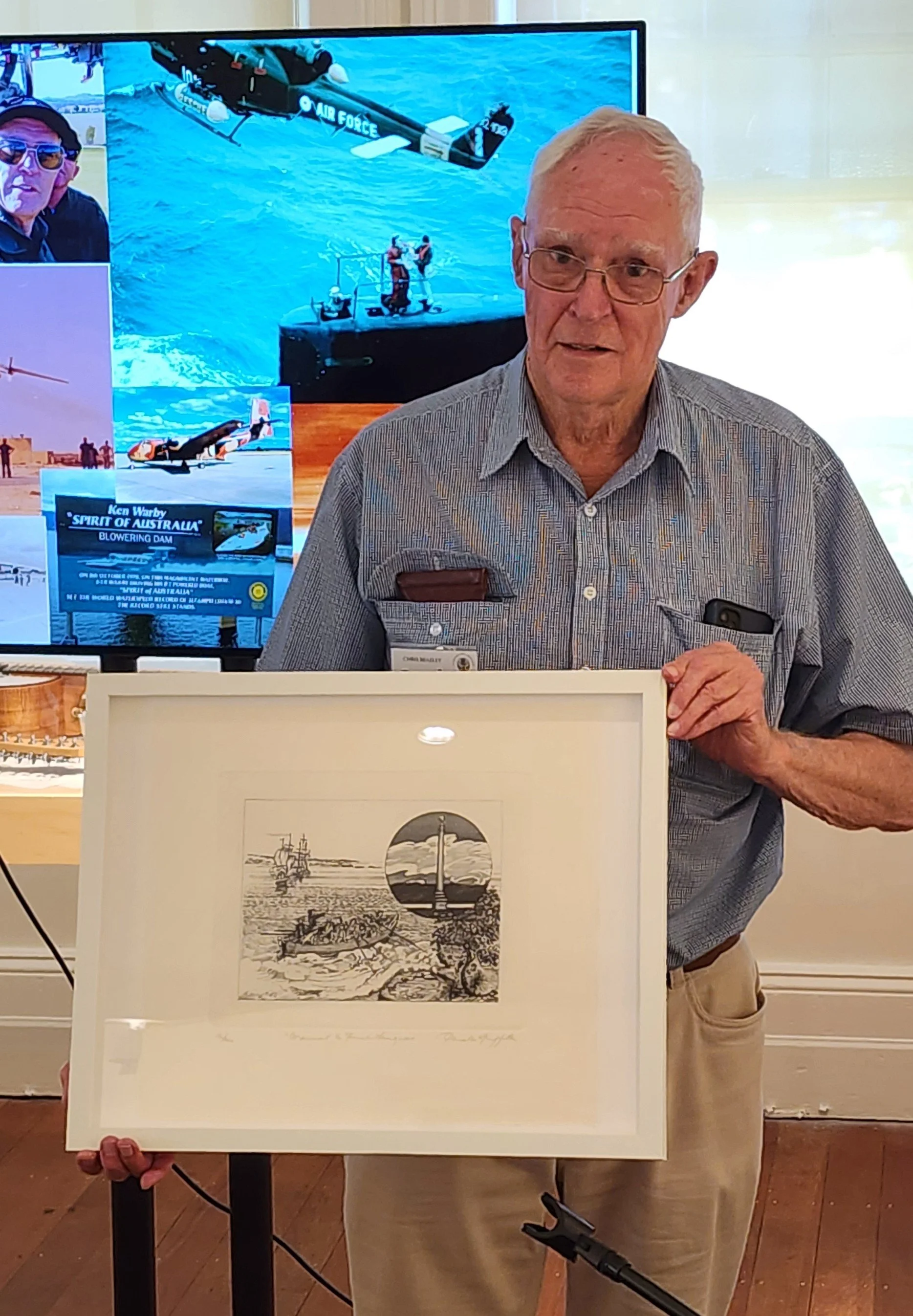
At our recent lecture on 19 September 2026, Chris Beazley brought to life a remarkable but little-known chapter in the history of La Perouse and Randwick: the story of aviation pioneer Sir Lawrence James Wackett and the Widgeon flying boat.
Born in Townsville in 1896, Wackett was fascinated by flight from an early age. After graduating from the Royal Military College, Duntroon, during the First World War, he joined the Australian Flying Corps. He served as both a pilot and an engineer, flying operational missions and overseeing the repair of damaged aircraft. His courage and ingenuity earned him the Distinguished Flying Cross.
After the war, Wackett became determined to establish an Australian aircraft industry. Randwick and La Perouse were to play an important part in that ambition.
In January 1924, Wackett took command of the newly established RAAF Experimental Section at Randwick. Its workshops, near the corner of Avoca Street and Frenchmans Road, became a centre of Australian aviation innovation. There, Wackett and his small team designed and built experimental aircraft intended for Australian conditions.
The Widgeon
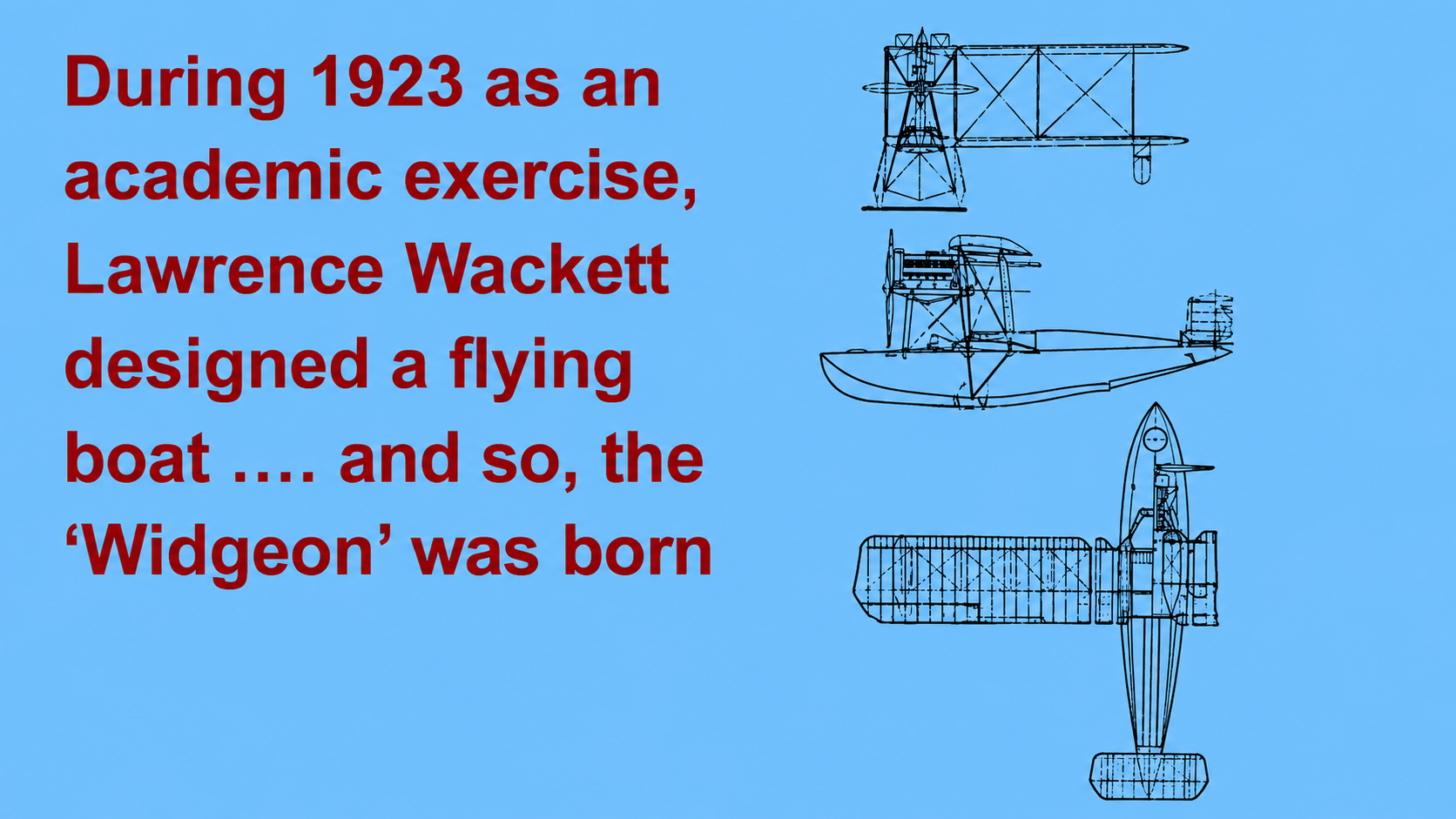
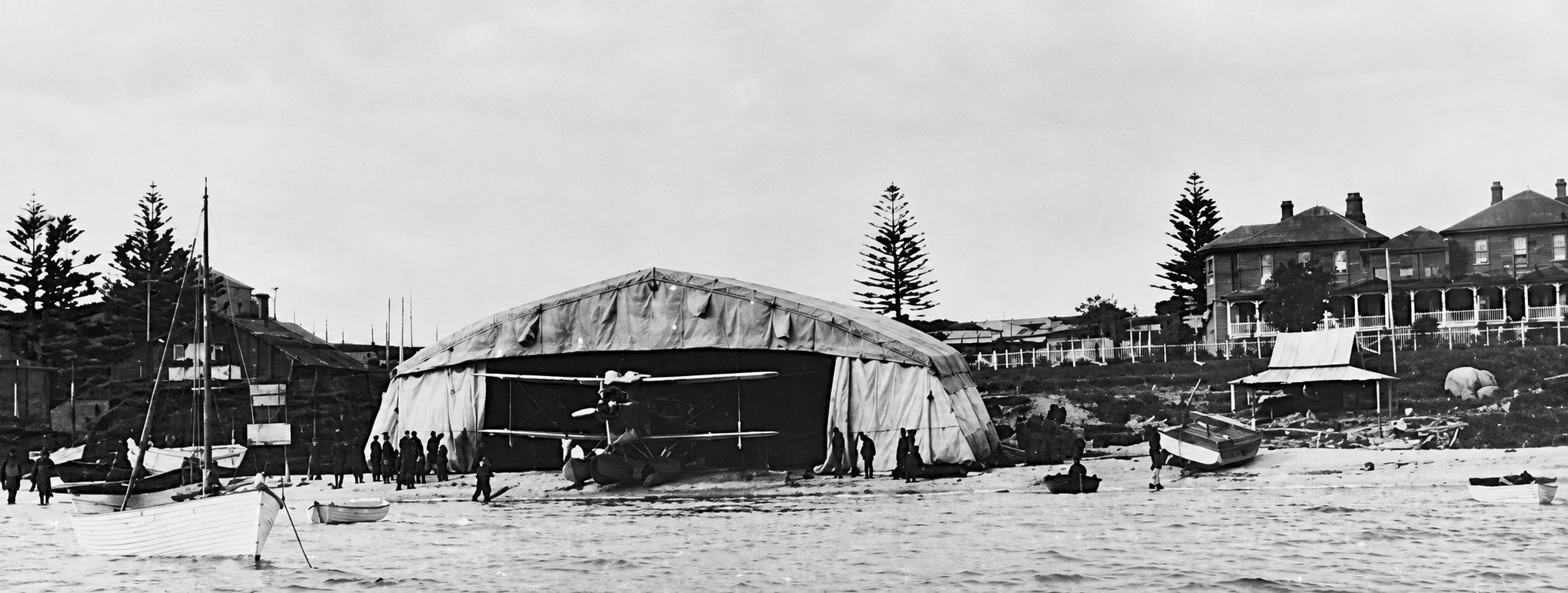
Their first major project was the Widgeon I, a wooden flying boat designed to take off from and land on water. Once construction was complete, the aircraft was transported from the Randwick workshops to La Perouse, where the waters of Botany Bay provided a natural testing ground.
The Widgeon was launched at La Perouse on 7 July 1925. Its early trials were eventful. It struck a sandbank while taxiing and later stalled and nose-dived into the bay during an attempted take-off. Fortunately, Wackett and the other men aboard escaped without injury. The damaged aircraft was returned to Randwick, where it was painstakingly repaired.
First Flight
Five months later, on 3 December 1925, the Widgeon returned to Botany Bay and successfully completed its first flight.
That achievement gave La Perouse a special place in Australian aviation history. From the workshops of Randwick to the waters of Botany Bay, local streets, buildings and shores became part of an ambitious effort to prove that Australians could design and build their own aircraft.
The Widgeon later entered service with the RAAF, while Wackett and his team went on to construct several other experimental aircraft at Randwick. The Experimental Section closed in 1931 following a government review and pressure to reduce costs, but Wackett’s work did not end there. He became one of the driving forces behind the development of Australia’s aircraft-manufacturing industry.
Remembering
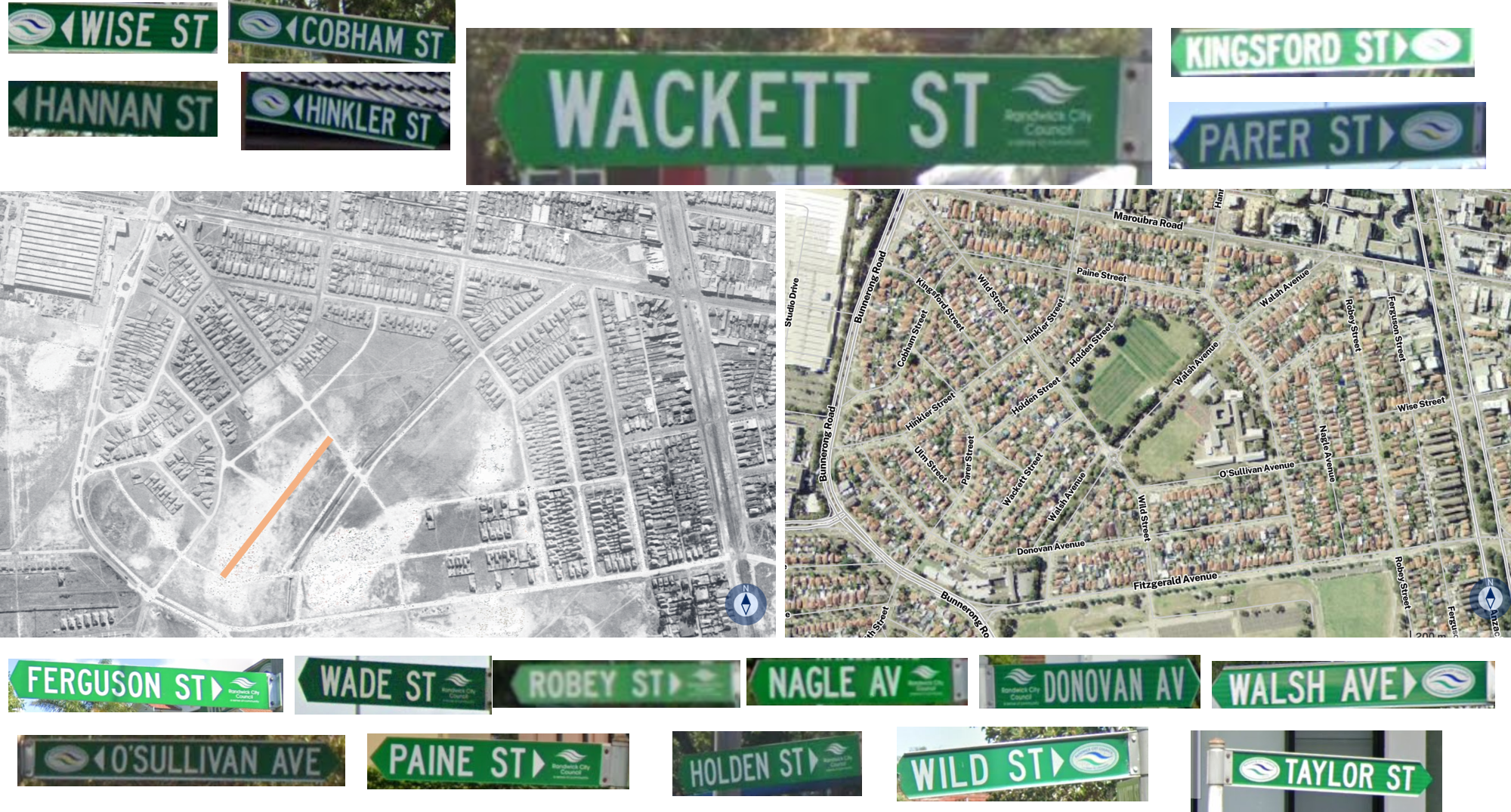
The memory of these aviation pioneers remains embedded in the local landscape. Wackett Street in Maroubra was named in honour of Lawrence Wackett, while nearby streets—including Paine Street—commemorate some of his notable fellow aviators in the Australian Flying Corps from WW1
The Widgeon’s dramatic trials at La Perouse were therefore much more than an entertaining local incident. They marked an important early step towards an independent Australian aviation industry—and remind us that places now familiar to the residents of Randwick once stood at the frontier of technological innovation.